May 25, 2026
NEWS
NEWS
May 25, 2026
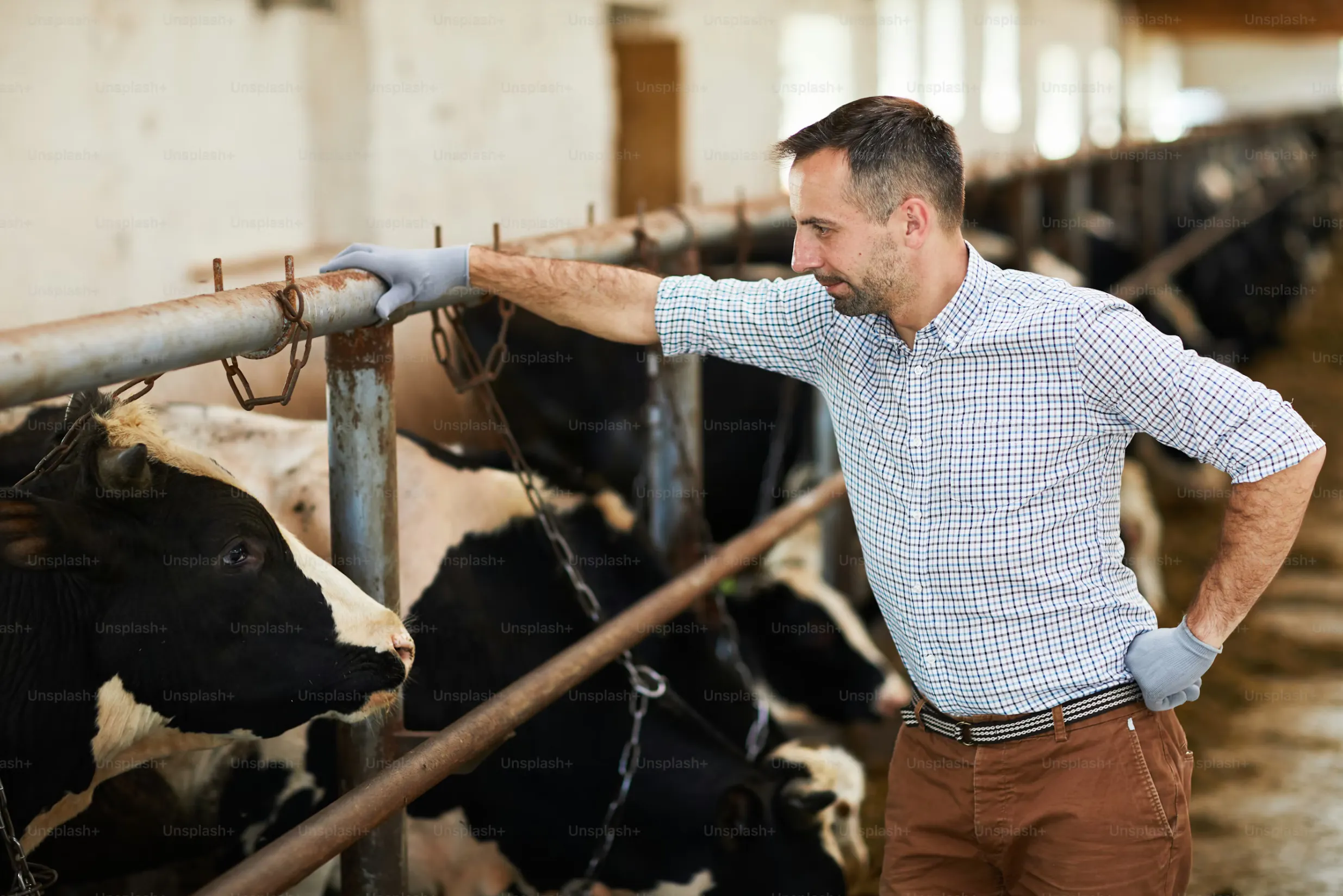
In an industry shaped by uncertainty, the ability to adapt is no longer an advantage—it’s a requirement.
The livestock sector is entering a new phase. What was once a relatively stable and predictable industry is now influenced by shifting consumer expectations, evolving supply chains, and increasing pressure for efficiency and transparency. For producers, this transformation presents both a challenge and an opportunity: adapt operations to meet a changing market, or risk falling behind it.
Demand today is more complex than ever. Buyers are no longer focused solely on volume—they expect consistency, traceability, and quality at scale. Whether supplying retailers, distributors, or direct markets, livestock operations are being held to higher standards across every stage of production.
This shift has redefined what it means to be competitive. Reliability is no longer a differentiator; it is the baseline. The ability to deliver consistent results, regardless of external conditions, has become essential to maintaining strong commercial relationships.
In response, modern livestock operations are moving beyond traditional production models. The focus is shifting toward integration—where herd management, feeding strategies, land use, and logistics operate as a coordinated system rather than isolated processes.
This systems-based approach allows for greater efficiency and control. Instead of reacting to issues as they arise, producers can anticipate challenges, optimize resources, and maintain a steady level of performance. The result is not just higher output, but more predictable and scalable operations.
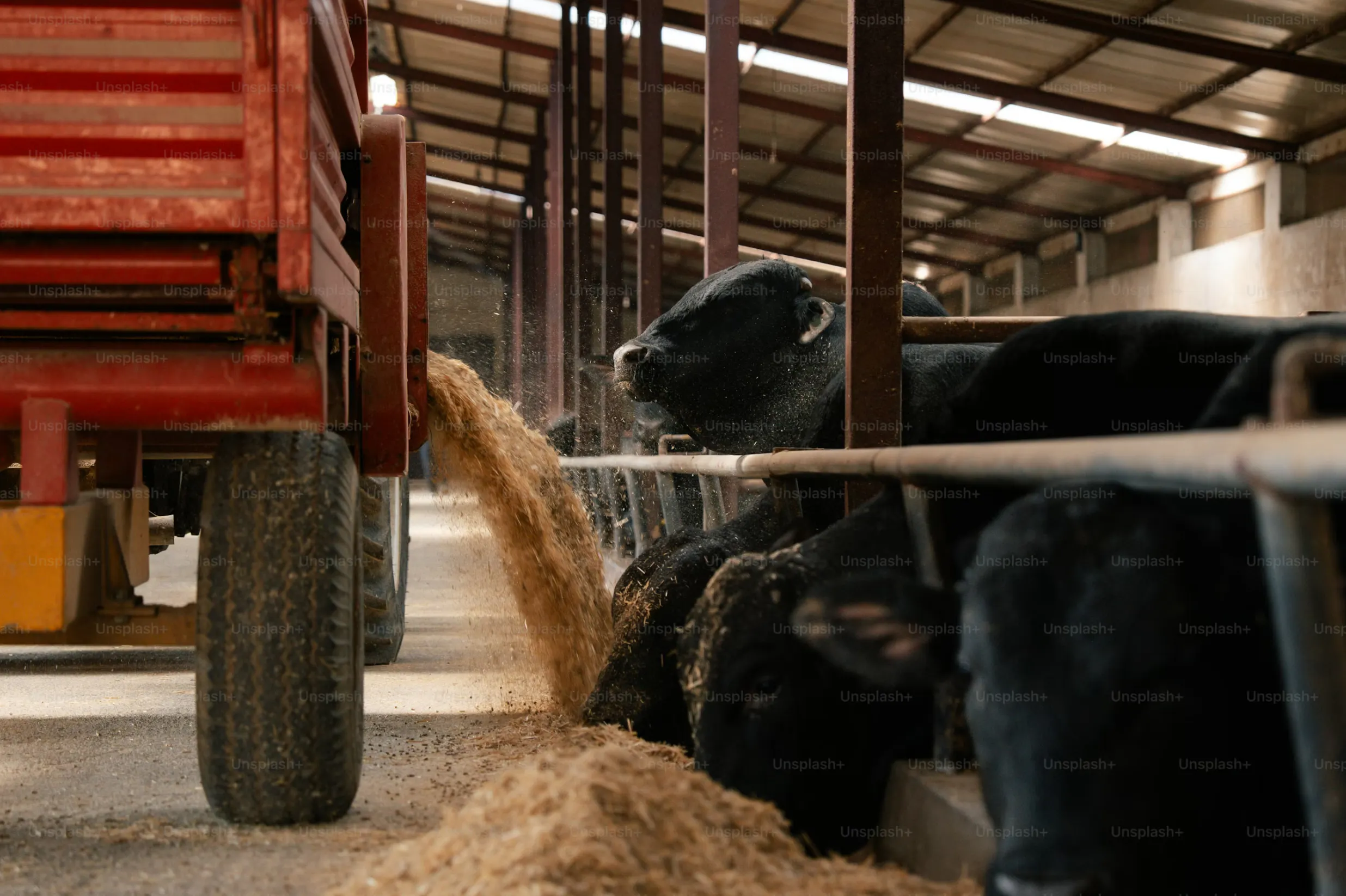
Technology is accelerating this transition. Access to real-time data and advanced monitoring tools is enabling producers to make more informed decisions across their operations. From tracking herd performance to forecasting supply needs, data provides a level of visibility that was previously difficult to achieve.
This precision is especially valuable in a market where margins are increasingly sensitive. Small improvements in efficiency—whether in feed conversion, logistics, or resource allocation—can have a significant impact on overall performance. Over time, these incremental gains compound into a meaningful competitive advantage.
The livestock industry will continue to evolve, shaped by both market forces and innovation. Those who succeed will be the ones who embrace change as part of their strategy, not as a disruption to it.
Because in an environment defined by uncertainty, adaptability becomes the foundation of consistency. And consistency, in turn, becomes the foundation of growth.
Whether you’re looking to secure supply, explore partnerships, or learn more about our capabilities, our team is ready to connect.
You might also like…